Please upload any contents that you would like to share with the public.
|
Title
|
|
Last Updated
|
 |
WildlifeHabitat_INTRO.pdf
|
1/12/2022 11:16:40 AM |
|
|
|
Download
|
 |
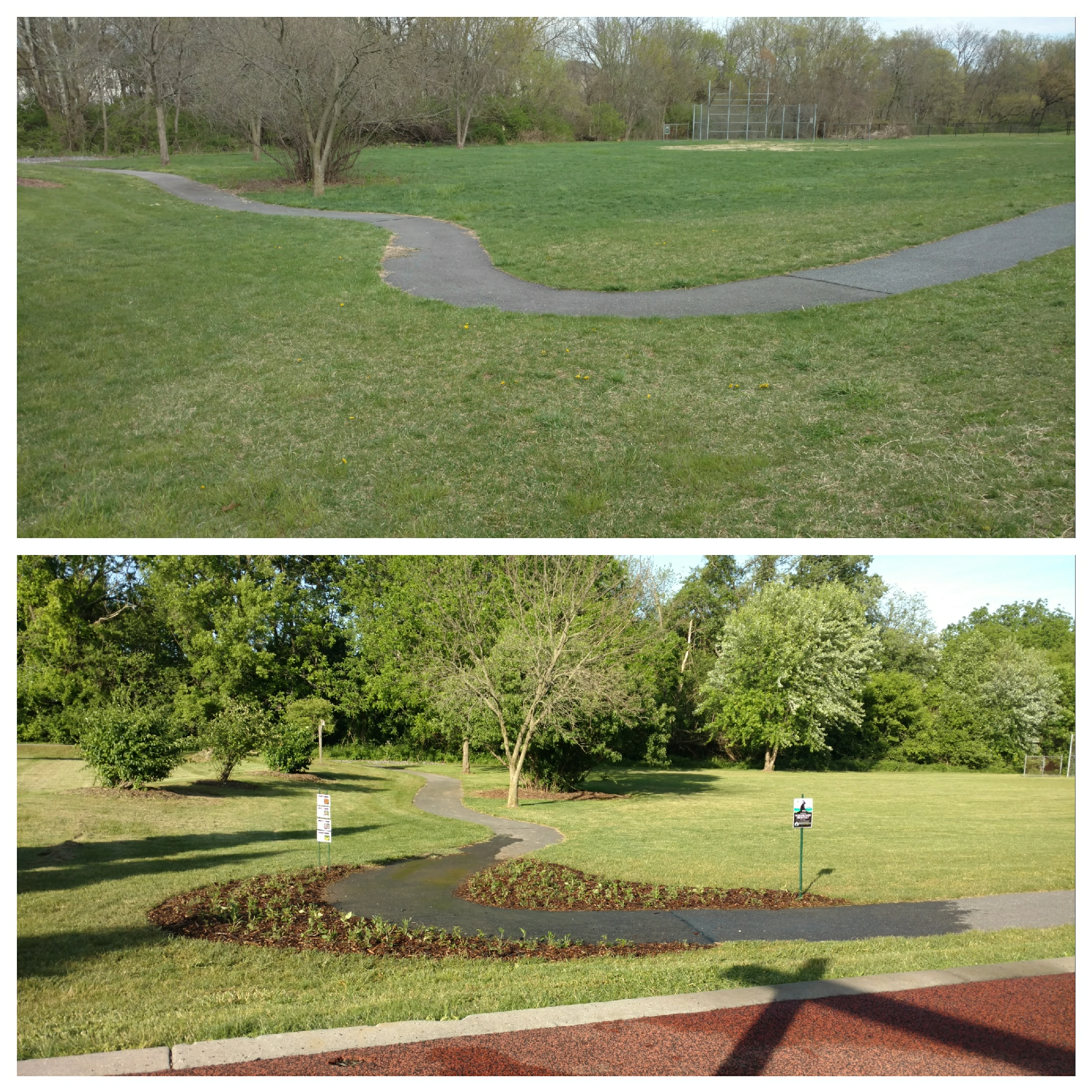
Martin Elementary .png
|
1/12/2022 11:16:40 AM |
|
|
|
Download
|
|
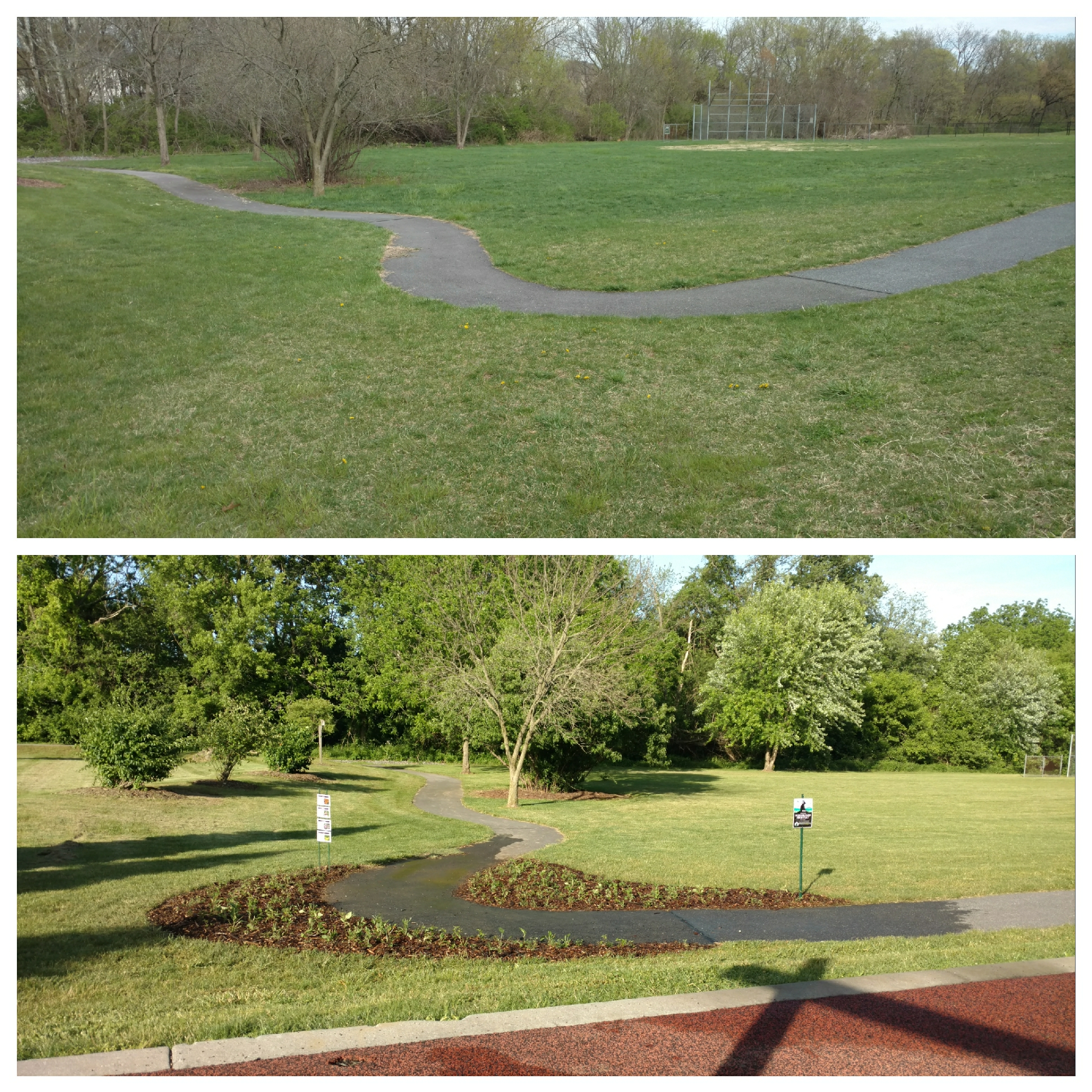
Martin Elementary .png
|
1/12/2022 11:16:40 AM |
|
|
|
Download
|
 |
Initiative with Lancaster County Conservancy
|
1/12/2022 11:16:40 AM |
|
|
|
New Initiative: Community Wildlife Habitat
Open Link
|
|
HLHW 07 2019.JPG
|
1/12/2022 11:16:40 AM |
|
|
|
Download
|
|
Community Wildlife Habitat
|
1/12/2022 11:16:40 AM |
|
|
|
Creating native habitat can be done in a few simple steps that are not only good for the environment and also has curb appeal. You can start by planting several native plants each year, pulling out the invasive plants and strategically placing a tree in order to capture water.
Benefits of Natives Trees & Plants:
Critical to pollinators (birds, bees & other insects)
More adaptable to area
Requires less water for maintenance
Absorption of water increases
Keeps pollutants and sediment out of the water
Increases wildlife habitat
Increases air quality
Why Choose Native Plants
Native plants are at the heart of a pollinator-friendly garden providing food and host plant benefits beyond what most non-native plants can offer in any landscape. There are over 2,100 PA native plants of many colors, shapes and sizes attracting a variety of pollinators like bees, butterflies, beetles, and moths to perform their essential pollination services.
Pollinators play a critical role in the reproduction of 90% of all flowering plants, and are involved in the production of about one out of every three bites of food that humans eat.
Common Invasive Plants To Avoid
Invasive plants are those that:
Are not native to an area
Spread quickly
Little to no pollinator value
Cause economic/environmental harm,or harm to human health
List of common invasive plants in our area.
Full list of invasive plants from PA Department of Conservation and National Resources.
Rain Gardens
Rain gardens are simple solutions to capture and retain stormwater close to the source, preventing polluted runoff. The average quarter acre lot (with a 2,500 square foot home) can contribute over 5,000 gallons of polluted runoff in a single 1 inch rainfall event.
More information
Lancaster County Conservancy
Urban Greening
Community Wildlife Habitat
Lancaster Water Week
Residential Demonstration
Lancaster Tree Tenders
Save It!
Conservation Landscaping
Composting Information
Did you know? For every 5% increase of tree canopy, stormwater runoff decreases by 2%. Help us plant more trees!
Open Link
|
 |
blog.nwf.org-One Countys Path to Becoming a Wildlife-Friendly Community.pdf
|
1/12/2022 11:16:40 AM |
|
|
|
Download
|
|
Lancaster Conservancy Community Wildlife Habitat program.
|
1/12/2022 11:16:40 AM |
|
|
|
Our number one action step for Water Week 2018 is Create Habitat. Attend any Water Week event and get a FREE native tree. Help install a rain garden or plant trees along a river. Participate in workshops through the Native Plant Conference to learn about plant propagation, pollinators, and wild edibles. You can even sign up to get your property assessed through the Lancaster Conservancy Community Wildlife Habitat program.
https://www.lancasterwaterweek.org/create-habitat
Open Link
|